


Views: 0 Author: Site Editor Publish Time: 2026-09-01 Origin: Site


Direct answer: ERA MPP power conduits were selected for the underground power conduit network of the T3 terminal at Pudong International Airport — the core of Shanghai's Eastern Hub — because they combine ≥40 kN/m² ring stiffness, pull lengths of 1,000 m and above, and tensile strength greater than 25 MPa, which is what trenchless installation through interbedded clay and gravel demands.
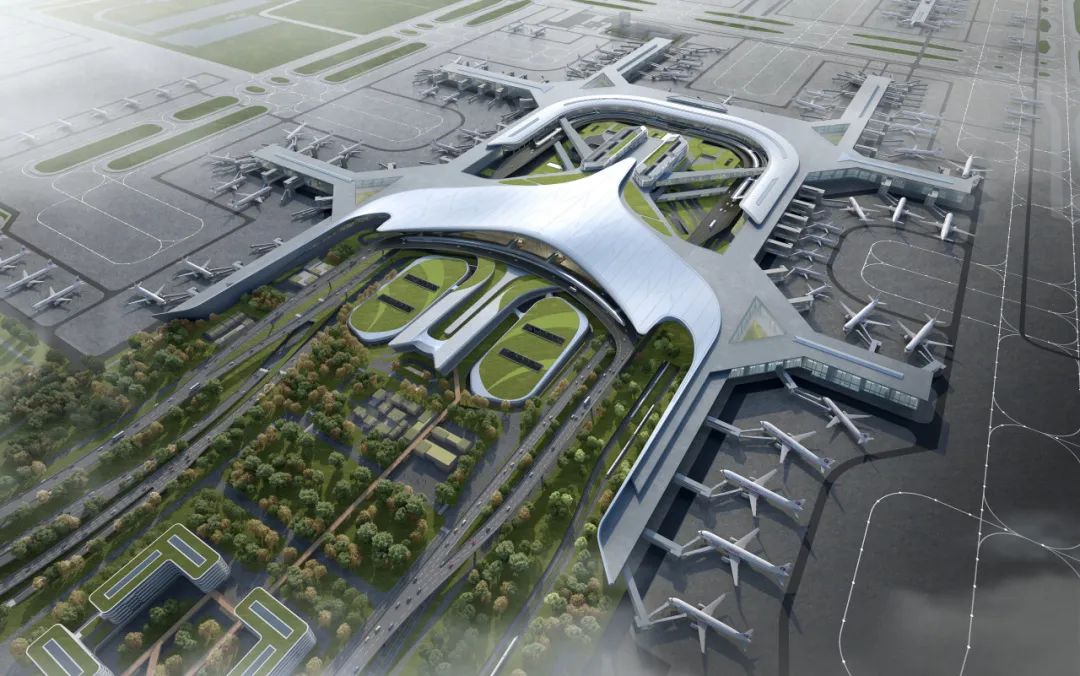
Shanghai's Eastern Hub sits in Zhugiao Town, Pudong New District, and is one of the largest integrated transport hubs under construction anywhere in the world. It brings aviation, national rail, intercity rail and urban metro into a single complex across a planned area of roughly 155 km².
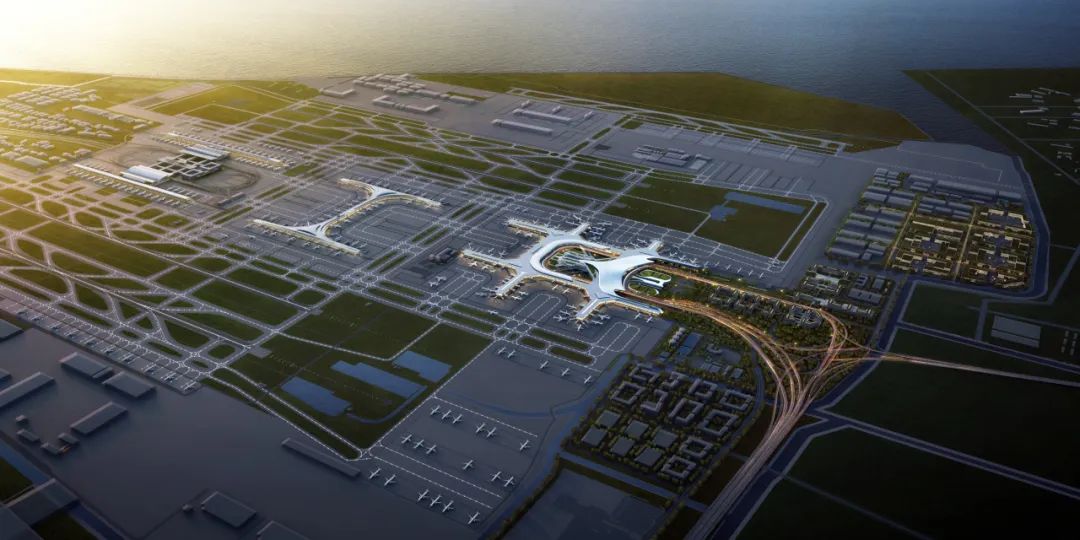
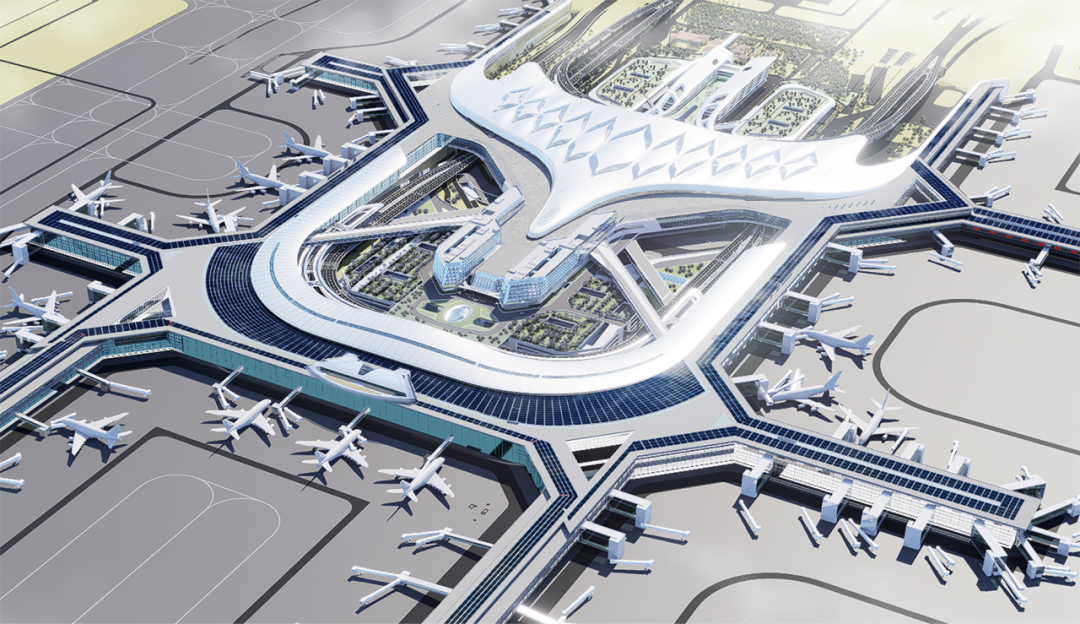
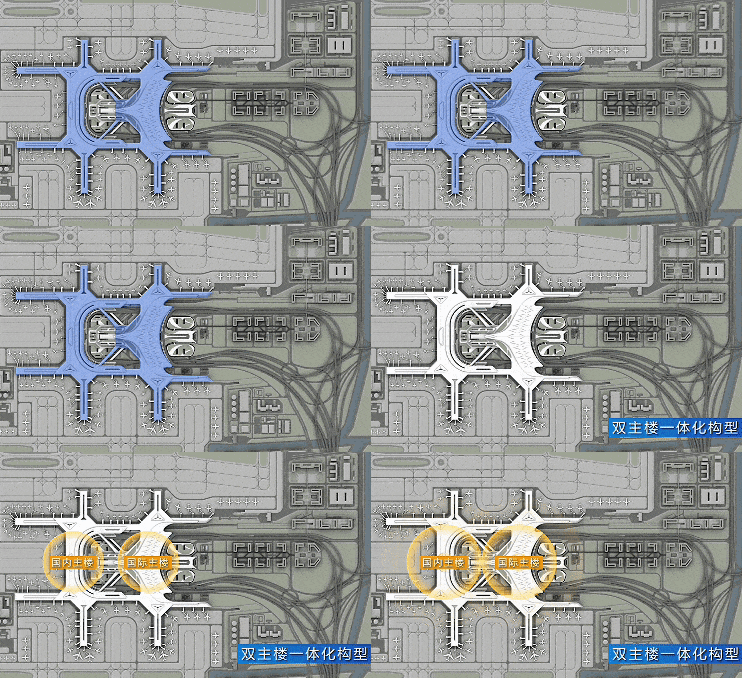
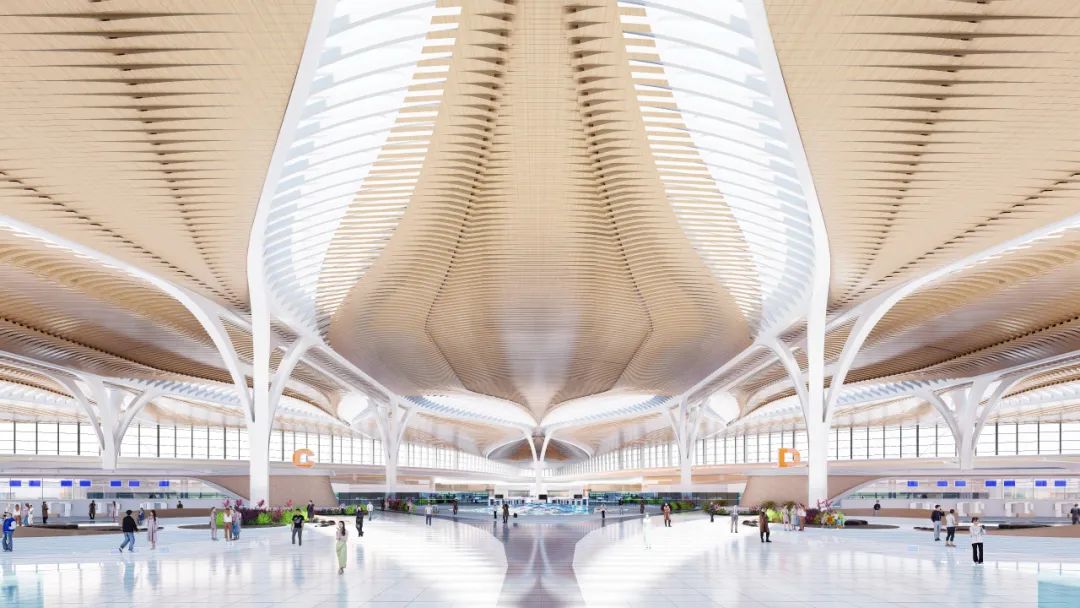
The numbers explain the scale of the engineering. The new T3 terminal of Pudong International Airport is designed for 50 million passengers a year, and it physically links the airport with the new Shanghai East Railway Station to create a genuine air-rail interchange. Long-term planning for the hub reaches 170–200 million passenger movements annually. Beneath all of it runs a hidden network of drainage, water supply and power ducts — the infrastructure that decides whether the hub functions on opening day.
Before any duct could be laid, the project team had to deal with conditions that rule out ordinary open-cut trenching:
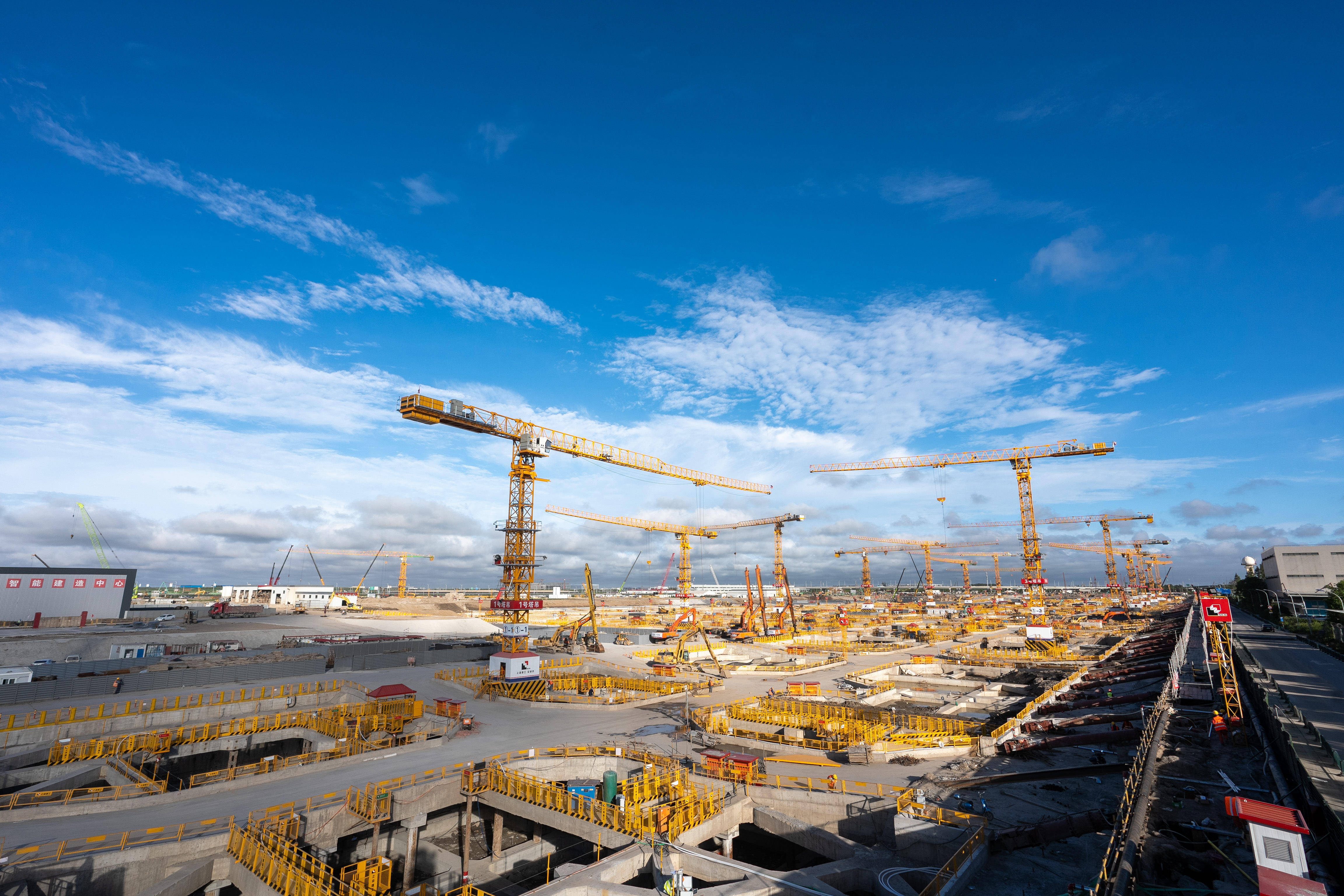
· Interbedded composite strata — confined groundwater, clay and gravel layers alternating at depth, making trench formation difficult, with a high risk of hole collapse and poor verticality control.
· Constrained construction windows — large zones of no-flight-stop work in an operating airport environment.
· Deep excavation and live utilities — deep foundation pits adjacent to critical pipelines that could not be disturbed.
Trenchless technology installs, renews or repairs underground pipelines with the smallest possible excavation footprint. Across the world it is the standard answer to dense urban sites, and the methods it covers — horizontal directional drilling, pipe jacking, microtunnelling and pipe ramming — are catalogued by the International Society for Trenchless Technology.
On this project the reported benefits were concrete:
Benefit | Reported result |
Earthwork and ground disturbance | Large-scale excavation avoided; soil deformation and settlement controlled |
Dust pollution | Reduced by 90% |
Existing pipelines | Zero damage, through precise trajectory control |
Programme | Construction period shortened by 40% |
Overall cost | Reduced by 25% |
*Figures are as reported by the project team for this site.*
Trenchless methods are unforgiving of the pipe itself. A conduit has to survive being pulled and pushed through clay and gravel over long distances, so the specification has to answer four questions:
1. Can it take the tensile load? A pipe with low tensile strength will simply snap mid-pull.
2. Will it bend to the designed trajectory? If bend performance is inadequate, the conduit drifts off line and the installation fails.
3. Are the joints absolutely sealed? A single leaking or scratched joint can force the whole run to be redone.
4. Will it hold its shape under load? Deep burial and traffic loading will deform a conduit with insufficient ring stiffness.
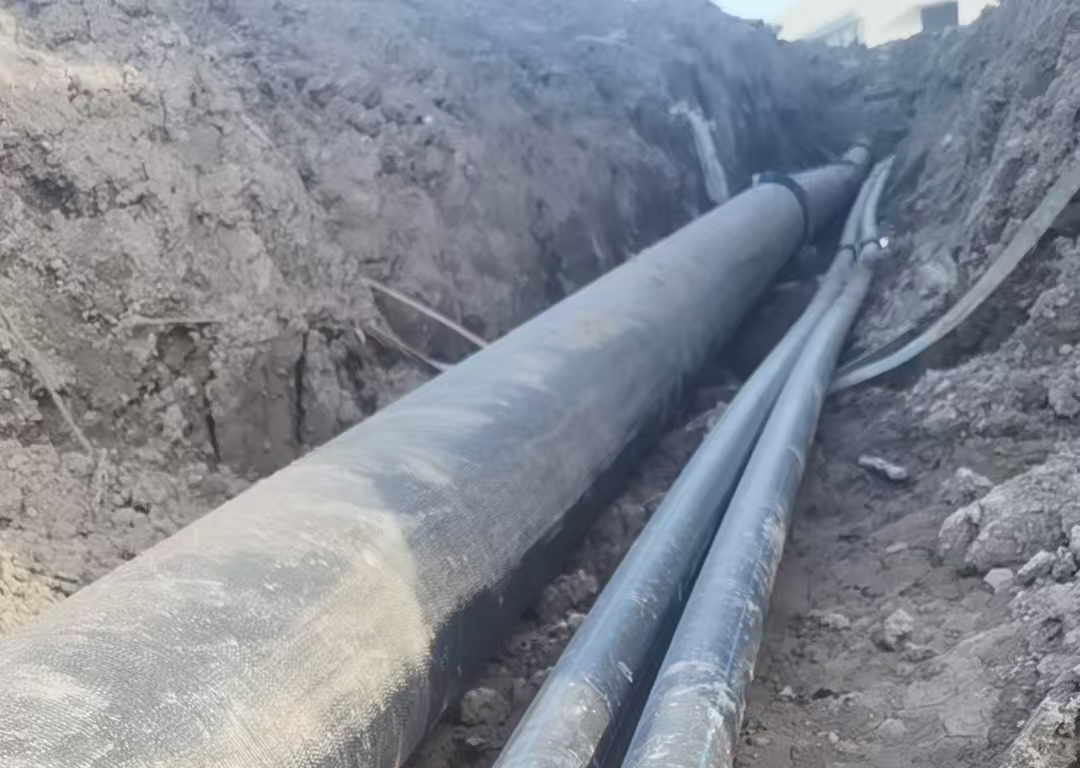
ERA's MPP (modified polypropylene) power conduit was the product selected for the T3 terminal's underground power conduit network, and its published performance data maps directly onto those four requirements:
Property | Value | Why it matters on this project |
Ring stiffness | ≥ 40 kN/m² | Resists deformation when deeply buried and under sustained load |
Pull length | ≥ 1,000 m | Enables long single-run trenchless installation without intermediate pits |
Tensile strength | > 25 MPa | Withstands pulling and jacking forces without fracture |
Joint system | Thermal fusion welding | Joint strength equal to the pipe body, giving a sealed, continuous duct |
That combination — stiffness for deep burial, tensile strength for long pulls, and fusion-welded joints for absolute sealing — is what makes MPP a natural fit for trenchless power ducting.
The east end of the T3 terminal faces the East China Sea. Conduits there must cope with salt-laden air, high humidity, high ambient temperatures, corrosion from soil chemistry, and the localised heat generated by loaded power cables.
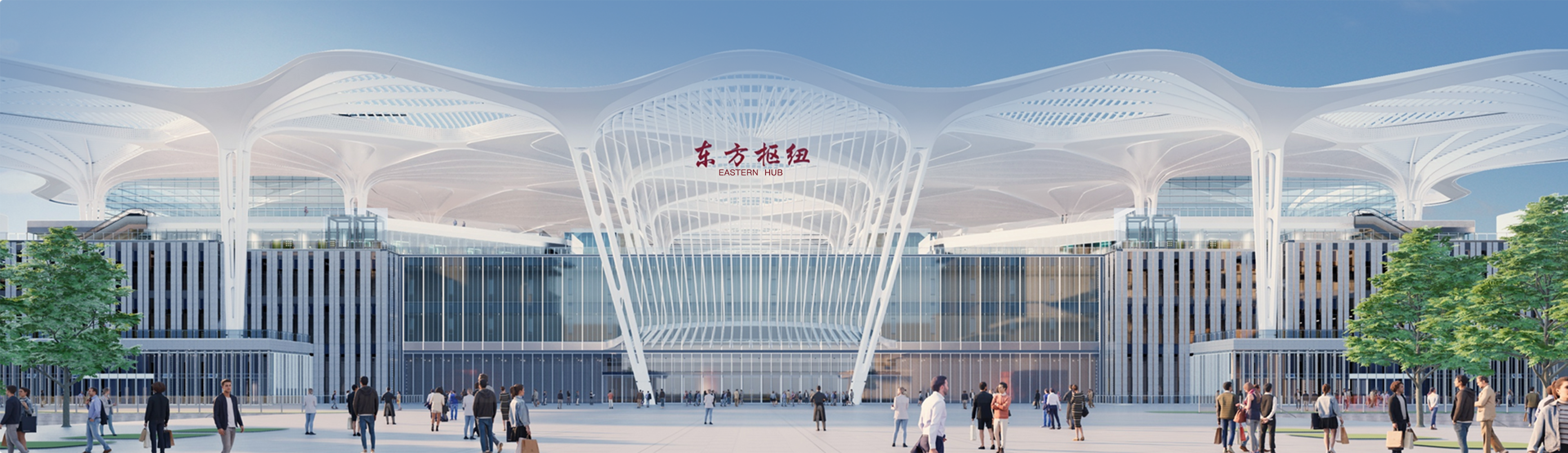
ERA MPP conduit is made from inert polypropylene with a Vicat softening temperature above 93 °C, so it does not deform under sustained cable heat. It also retains impact resistance at −5 °C, resists attack from acids and alkalis in the soil, and is rated for a service life of up to 70 years — effectively the design life of the terminal itself.
Terminal operations — passenger processing, ticketing, retail, and public services on the plaza — cannot tolerate a power interruption, and the cable load is substantial: ERA MPP conduit withstands voltages above 100 kV.
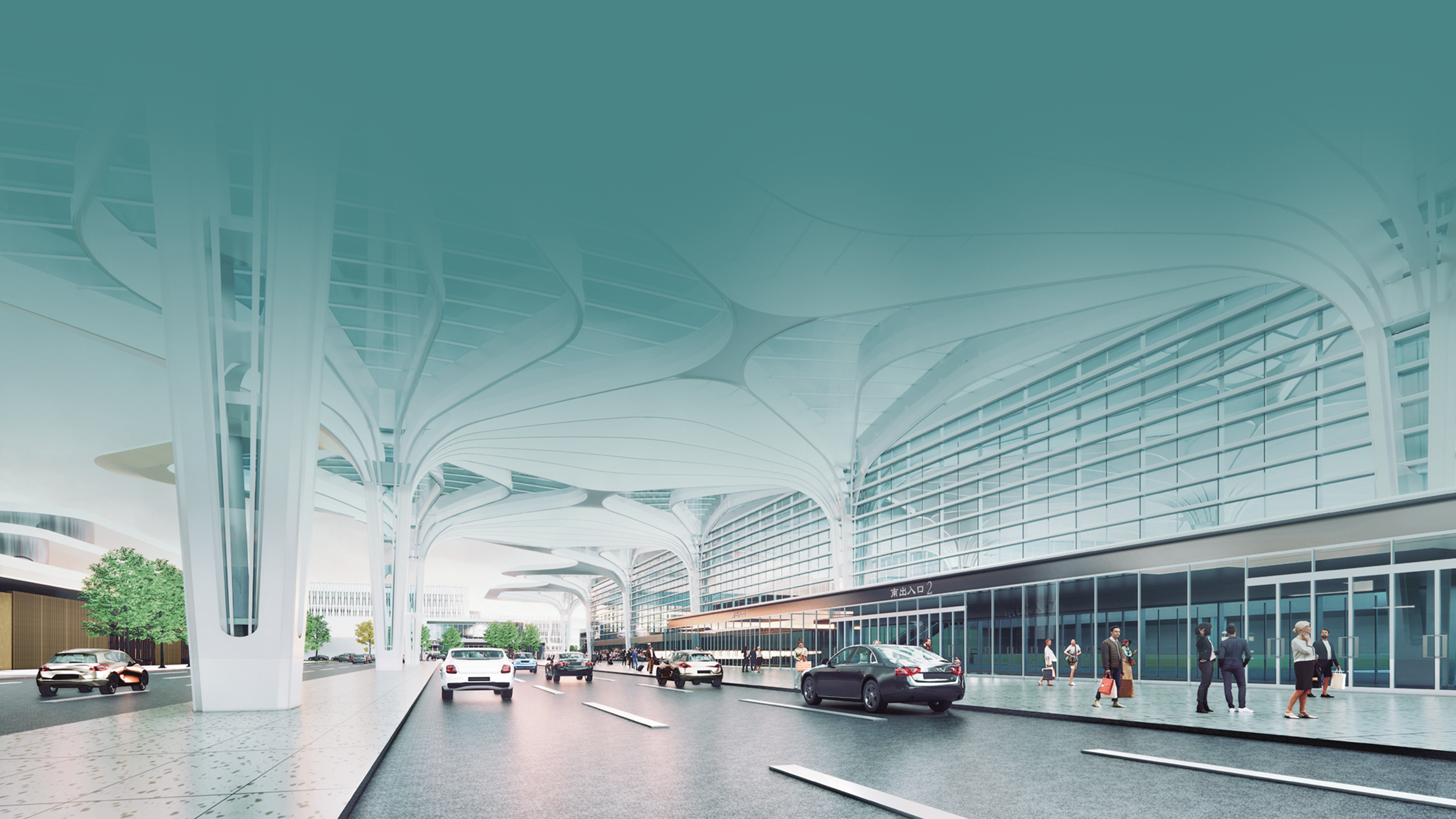
Flow performance matters as much as strength. The conduit's smooth bore does not scale, and its internal surface has an absolute roughness ratio roughly 1/20 that of steel and 1/10 that of fibreglass-reinforced plastic pipe. Lower friction means easier cable pulling during installation, less risk of sheath damage, and simpler future expansion and maintenance.
MPP power conduits are only part of ERA's contribution to the Eastern Hub. ERA's PP-R water supply range and steel wire mesh reinforced polyethylene composite pipes (给水用钢丝网增强聚乙烯复合管) were also used at the Shanghai East Railway Station yard area, giving the hub an end-to-end underground piping solution rather than a single product line.
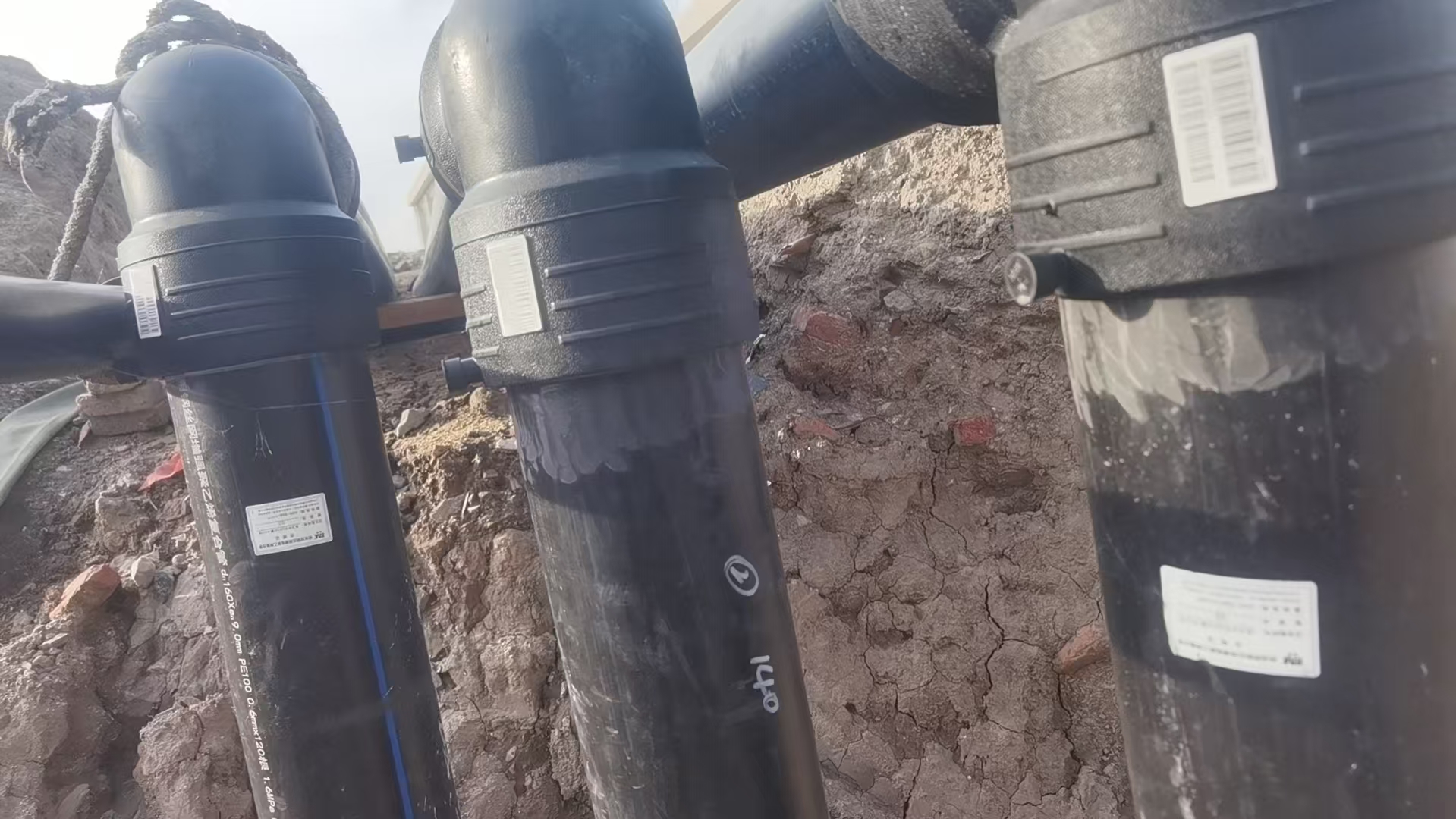
The Eastern Hub joins a long list of landmark projects where ERA's piping systems have been specified — Beijing Daxing International Airport, Shanghai Hongqiao Integrated Transport Hub, the Xiongan Railway Hub and Hangzhou Xiaoshan International Airport among them. The Guangzhou Baiyun Airport T3 project is a recent example of the same approach applied to an airport site..
If your project involves trenchless installation, high cable loads or a demanding ground condition, ERA's engineering team can review the specification with you — ring stiffness, pull length, joint method and burial depth included.
[Contact ERA Pipe Fittings →] · [See more super projects →] · [Explore trenchless PE jacking pipe →]